

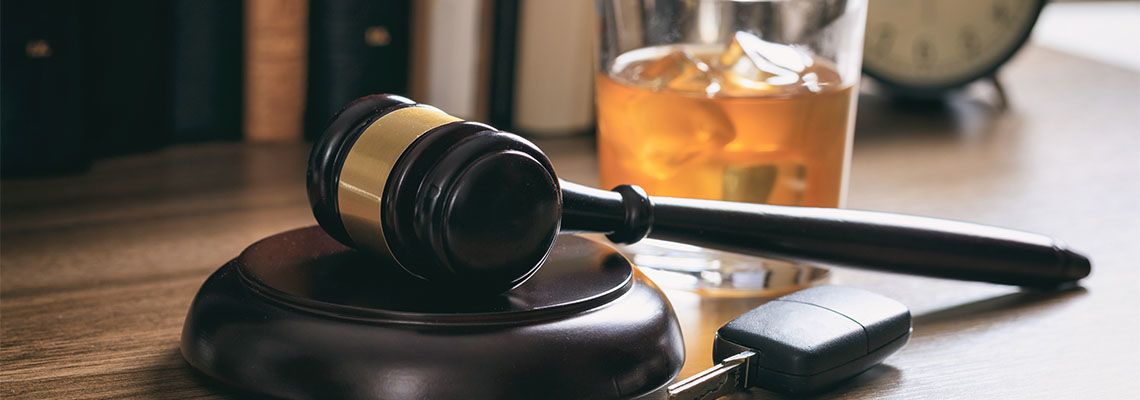
Strategies for Defending Against DUI Charges in Court
Facing DUI charges can be an intimidating experience. Many people feel overwhelmed, anxious, and uncertain about what the future may hold. The implications of a DUI conviction extend beyond fines and license suspension, potentially affecting employment, personal relationships, and your record.
Even when a case seems straightforward, the consequences can be significant, and it’s natural to feel concerned about the outcome. At The Torres Attorneys, with offices in Dallas, San Antonio, and Corpus Christi, Texas, we support clients in Fort Worth and the surrounding areas facing criminal defense issues, including DUI charges.
Our focus is on helping clients understand their options and protecting their rights while advocating for a fair evaluation. For more information about our services or to speak with a reliable and dedicated criminal defense lawyer, don't hesitate to reach out to our firm at The Torres Attorneys today.
Challenging the Traffic Stop
A common first step in defending against DUI charges is to review the circumstances surrounding the traffic stop. If the stop wasn't based on a valid reason, it may influence the overall case. Officers must have reasonable suspicion to initiate a stop, and any misstep during this process can impact the evidence collected later.
Some questions to consider include:
Reason for the stop: Was there a legitimate traffic violation or observable impairment?
Officer behavior: Did the officer follow proper procedures during the stop?
Timing and location: Were there any irregularities in when or where the stop occurred?
By carefully examining these factors, it may be possible to challenge the validity of the traffic stop and question the foundation of the DUI charge. A detailed review of officer notes, dashcam footage, and witness accounts can reveal inconsistencies that support the defense.
Questioning Field Sobriety Tests
Field sobriety tests are often used to assess impairment, but they can be influenced by a variety of factors unrelated to alcohol consumption. Challenging the reliability or administration of these tests is a common strategy in DUI defenses, especially when environmental or physical conditions affect performance.
Considerations include:
Environmental conditions: Poor lighting, uneven surfaces, or weather can affect performance.
Physical limitations: Medical conditions or injuries may hinder the ability to complete tests accurately.
Administration errors: Officers may fail to follow standardized testing procedures correctly.
Documenting these factors and presenting them effectively in court can cast doubt on the results and strengthen a defense in criminal defense proceedings. Clear records of environmental conditions, physical limitations, and officer procedures can provide context that supports a fair evaluation of the evidence.
Questioning Breathalyzer and Blood Test Accuracy
Breathalyzer and blood test results are critical pieces of evidence in many DUI cases. However, testing devices and procedures aren't infallible. Reviewing how tests were conducted and whether proper protocols were followed can be central to a strong defense.
Important aspects to review include:
Calibration records: Devices must be properly calibrated and maintained.
Testing procedures: Proper techniques must be used when collecting samples.
Chain of custody: Handling of samples must be documented to prevent contamination or error.
Highlighting inconsistencies or mistakes in testing can affect how results are perceived in court and may play a significant role in defending against criminal charges. A detailed examination of calibration records, testing procedures, and sample handling can reveal errors that undermine the reliability of evidence.
Medical and Health Factors
In some cases, medical or health conditions can affect performance on sobriety tests or influence blood alcohol readings. Demonstrating these factors may provide context for observed impairment without implying intoxication and help the court interpret results more accurately.
Examples of relevant factors include:
Metabolic conditions: Certain medical conditions may alter alcohol absorption or processing.
Medications: Prescription or over-the-counter drugs can produce effects similar to alcohol impairment.
Physical disabilities: Challenges with balance, coordination, or speech can influence test outcomes.
Courts may consider these explanations when evaluating evidence, making them an important part of building a defense. Providing detailed medical documentation, expert assessments, and thorough testimony can clarify how health conditions or medications influenced behavior, helping the court interpret test results accurately and fairly.
Procedural Defenses
Procedural issues can also affect DUI cases. Errors in paperwork, improper notification, or violations of rights during the arrest process can all influence whether certain evidence is admissible in court proceedings.
Areas to examine include:
Arrest documentation: Review the arrest report for accuracy and completeness.
Miranda rights: Confirm that rights were read appropriately.
Evidence handling: Improper handling or storage of samples may impact reliability.
Procedural defenses highlight the importance of carefully reviewing records and filings. Identifying mistakes or omissions can shape how a case is evaluated in court. Attention to detail may result in evidence being excluded or charges reconsidered, strengthening the overall defense.
Prior Record and Mitigating Factors
While not a defense on their own, prior conduct and circumstances surrounding the arrest may influence outcomes. Mitigating factors can provide context for the incident and be considered when negotiating penalties or seeking alternative resolutions.
Relevant considerations include:
Driving history: A clean record may favor the defendant.
Community involvement: Positive contributions and responsibilities can demonstrate character.
Cooperation during arrest: Respectful behavior may be weighed during proceedings.
Incorporating these factors thoughtfully can influence how charges are viewed and potentially affect sentencing or diversion opportunities. Presenting mitigating circumstances, prior positive conduct, and cooperation during the arrest can encourage the court to consider alternatives and reduce potential consequences.
Frequently Asked Questions About DUI Charges
If you’re facing a DUI charge in Texas, you probably have a lot of questions—and that’s completely normal. The process can feel overwhelming, especially if this is your first run-in with the law. To help you get a clearer picture of what to expect, we've gathered some of the questions we hear most often.
What exactly counts as a DUI in Texas?
In Texas, you can be charged with DUI or DWI if your blood alcohol concentration hits 0.08% or higher, according to the Texas Department of Transportation, or if an officer believes your driving is impaired by alcohol or drugs. For minors, any detectable amount of alcohol can result in a DUI charge.
What kind of penalties am I looking at?
Penalties can range from fines and license suspension to probation or even jail time. The exact consequences depend on factors like prior offenses or whether anyone else was put at risk. Some situations—like having a child in the car—can make the penalties even harsher.
Can I refuse a breath or blood test?
You can, but there’s a catch. Refusing a test activates Texas’s “implied consent” rules, which means your driver’s license may be suspended automatically. That refusal can also come up in court. This is one of those times when speaking with a criminal defense lawyer can make a big difference.
Will a DUI stay on my record forever?
Most of the time, yes—a DUI or DWI conviction doesn’t just disappear in Texas. However, some cases might qualify for expunction or non-disclosure, depending on the circumstances. A skilled criminal defense lawyer can help you figure out what’s possible in your situation.
What should I do right after being charged?
Your best move is to reach out to an attorney who knows DUI and DWI cases inside and out. Try not to answer questions or make statements without legal guidance. The sooner you get help, the better your chances of protecting your rights and your future.
Dealing with a DUI charge is tough, but you don’t have to deal with it all by yourself. The Torres Attorneys are here to walk you through each step, explain your options in plain language, and fight for the best outcome possible. If you’re ready for support you can trust, we’re only a call away.
Speak With a Skilled Criminal Defense Lawyer
At The Torres Attorneys, we assist clients with criminal defense and DUI matters across Corpus Christi, Dallas, San Antonio, and Fort Worth, Texas. We work to help clients understand their options, protect their rights, and advocate for fair consideration. If you’re facing DUI charges, reach out to our attorneys for guidance and support.